
Business texting, done right
Most customers would rather text than leave a voicemail. Here is how to run a shared SMS inbox without losing the personal touch.
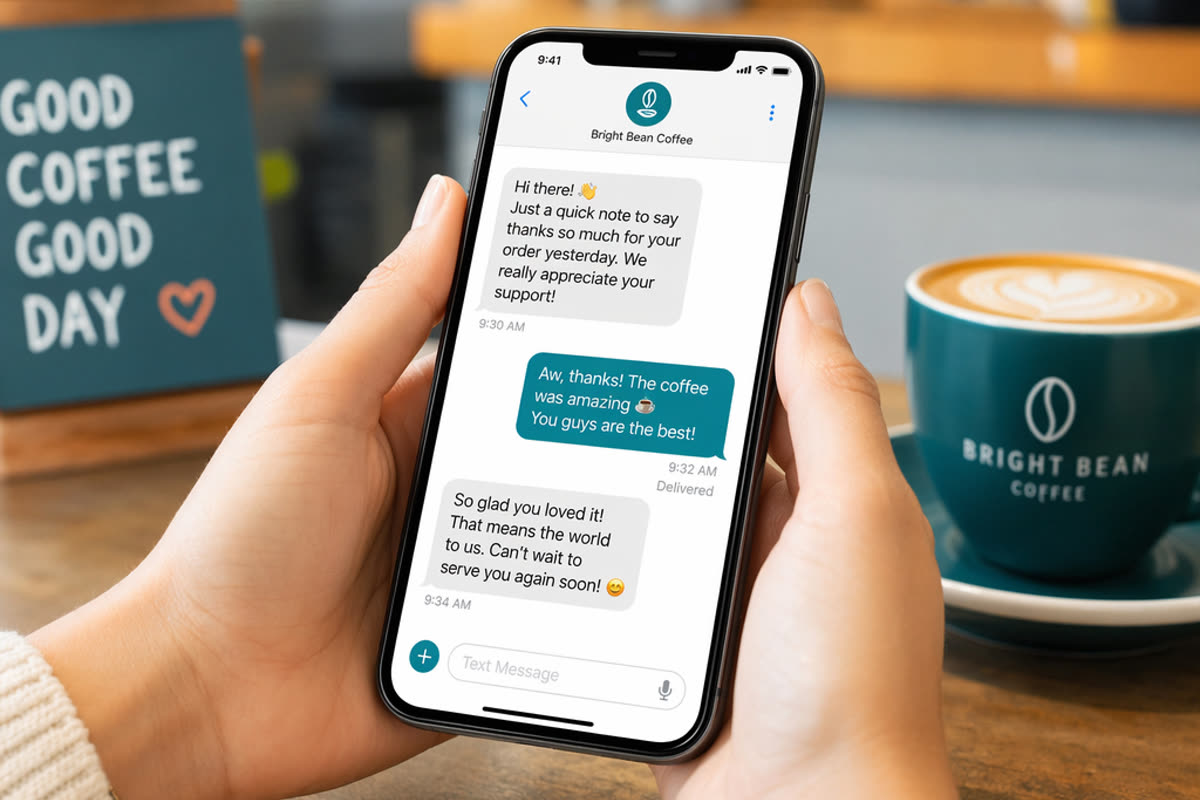
Ask around and you will hear the same thing: people would rather text a business than call it and wait on hold, and they will almost never leave a voicemail. A text is quick, it is on their terms, and it leaves a record both sides can look back at. For a small business, letting customers text your main number is one of the easiest ways to catch conversations you were otherwise missing.
The trick is doing it in a way that stays professional and does not live on one employee's personal phone. Here is what "done right" looks like.
Use your business number, not a personal cell
When a customer texts, it should go to your business line and land in a shared inbox the whole team can see, not to an individual's cell. That keeps history in one place, means anyone on shift can reply, and means a staff change never takes a customer thread out the door with it. It also keeps a clean line between work and personal life, which your team will thank you for.
Reply like a human, quickly
Texting sets an expectation of speed. You do not have to answer in seconds, but a same-day reply is the difference between "helpful" and "why did I bother." A few habits go a long way:
- Lead with the answer. People texted to get something done, not to chat. Give them the time, the price, the yes or no.
- Sign off with a name. "Thanks, this is Dev at the shop" keeps it personal even from a shared inbox.
- Keep saved replies for the boring parts. Hours, address, and "we got your message, one moment" can be one tap without sounding canned.
Know the rules before you send in bulk
One-to-one replies to a customer who texted you first are simple. Sending marketing or reminders to a list is a different world with real rules. In the US, business texting runs on a registration system called A2P 10DLC, and carriers filter or block traffic from numbers that have not gone through it. The short version:
- Only text people who agreed to hear from you, and keep a record of that consent.
- Tell them who you are and how to stop. Honor "STOP" instantly, every time.
- Register your business and campaign before you send at any volume, so your messages actually arrive.
This is not red tape for its own sake. It is what keeps your texts landing in the right inbox instead of a spam filter, and it protects the customers who trusted you with their number.
Appointment reminders and order updates are the sweet spot. Transactional texts that a customer expects, like "your table is ready" or "your order is in", get read almost immediately and almost never annoy anyone.
Start small
You do not need a texting strategy to begin. Turn on messaging for your business number, watch for the first few customers who reply by text instead of calling, and answer them the way you would want to be answered. The volume grows on its own, and by the time it does, you already have the habits that keep it feeling personal.
Want the short version? DialRingo is one $29 per user per month plan, every feature included, taxes in the price. Start your account and you can be taking calls today.
Keep reading
First impressions: what your business phone says about you
The small phone touches that make a small shop sound like a company.
Run your whole business from one browser tab
Why a browser phone beats a desk full of hardware.
One login for phones, payments, and cameras
How the pieces of a connected storefront fit together.